
















Why do GPS Tracker need subscription?
Feb
Most people assume a GPS tracker should just work once you buy it. Then the subscription shows up and feels confusing. The device already knows where it is, so why pay every month? The answer comes down to how trackers actually send information. Satellites determine the location, but mobile networks and SIM data deliver it to your phone, and that connection costs money to maintain. Without it, most trackers lose live tracking and only work at short range.
If you are reading this, you are not the only person who questions this. Almost everyone does. You buy the tracker, then you see a monthly charge and think, hang on, why am I paying again? It feels like you already paid for the hardware. We hear that reaction all the time, but once you understand what actually happens behind the scenes, it all starts to make more sense and feels less like a surprise.
Can GPS Trackers Work Without a Subscription?
Yes, some GPS trackers can work without a subscription, but they usually cannot provide proper live tracking. They may know their own location, yet they cannot reliably send it to you.
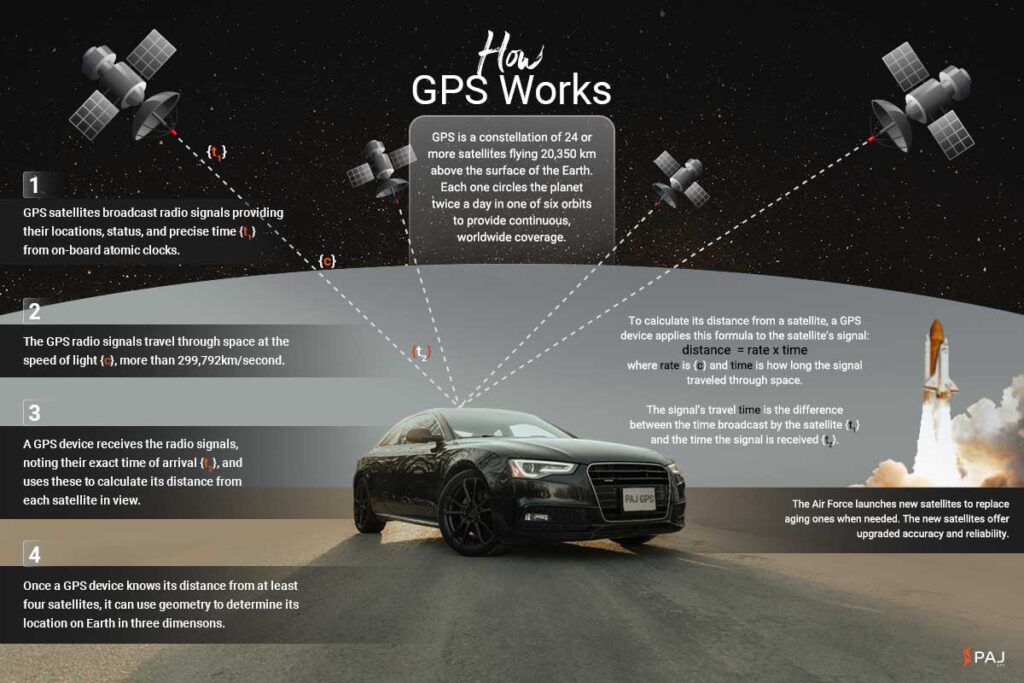
This confuses people because GPS itself is free. The satellites cost you nothing. The device can still determine its position on the map. The issue starts when you want that information on your phone while you’re somewhere else.
Without mobile data or internet, the tracker has no way to talk to you.
So you end up with workarounds. Maybe it only connects over Bluetooth when you’re nearby, or maybe it saves the route so you can check it later. Perhaps it works on Wi-Fi at home, but nowhere else. That might be fine for a suitcase or a toolbox. It doesn’t help much if you’re trying to keep an eye on a car, a bike, or anything that moves around all day.
If you expect to open an app and see a live dot on a map, you need more than GPS alone.
Why Do GPS Trackers Need a Subscription?
GPS trackers need a subscription because they use SIM cards and mobile networks to send updates continuously. The subscription covers that data and the systems that manage everything in the background.
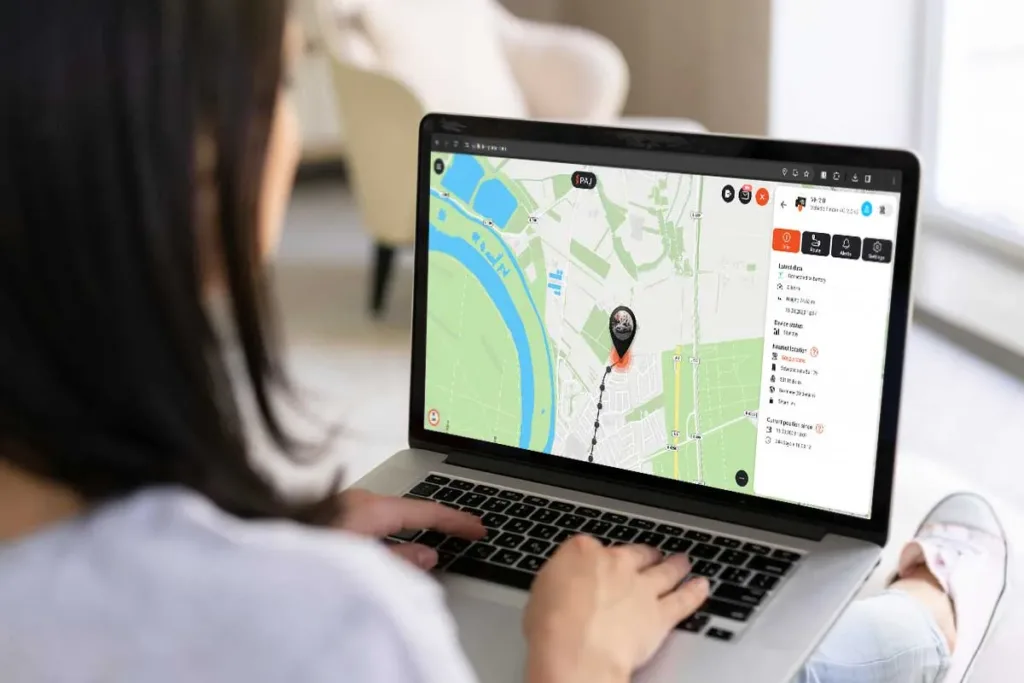
Think of the tracker as a small phone that only does one job. It checks its position and sends it across the network every few seconds or minutes, and your app receives it instantly.
That constant sending and receiving never stops.
Most plans cover things like:
- mobile data through the built-in SIM
- access to the tracking app or web portal
- instant alerts and notifications
- trip history and reports
- software updates
- support if something goes wrong
In our experience, people don’t notice the subscription when everything works as it should. They only notice it when the signal drops or updates come through late. That reliability comes from the service, not just the device itself.
The hardware locates it, and the subscription delivers it to you.
Difference between GPS navigation and GPS Tracking
As we have already discussed earlier, GPS have so many applications on our daily life. GPS Navigation and GPS tracking are two such area where there are a lot of development undergoing. The two applications use GPS but the position of end user in comparison to the GPS receiver is different in each application.
Here the end user could be a human being or a software programme.
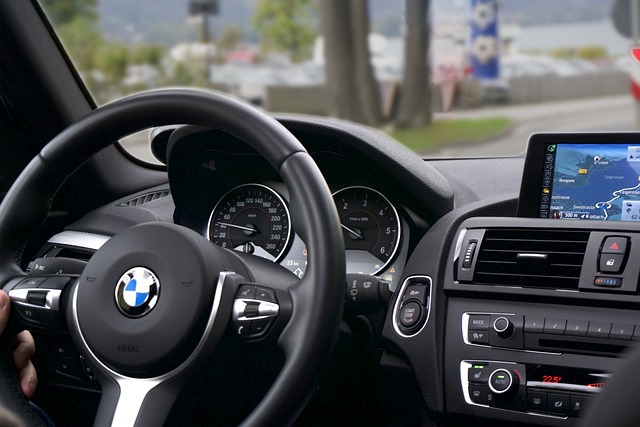
In GPS Navigation the end user and GPS receiver are located at the same point. For example, a driver using the car navigation to cruise around the city. Here the end user is driver and GPS receiver is residing inside car navigation system. Since the GPS is completely free to use, the driver doesn’t have to pay anything additional to use this service.
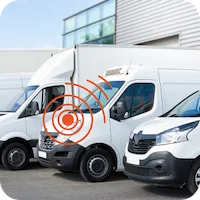
GPS tracking on other hand, the end user and GPS receiver is far away from each other. The ideal application is monitoring a fleet movement from company headquarters. In this the company car is equipped with a GPS tracking device and a manager (End User) is monitoring the location live from their computer. The GPS tracking device consists of GPS receiver.
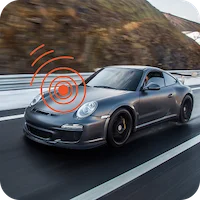
GPS navigation is purely for navigation purposes on the other hand GPS tracker can provide so many more data such as speed, distance travelled and current location. Apart from that a tracking system can be used as a security element for cars. It can send alerts if the host vehicle is out of a geographical location, or it is speeding beyond the limit. Common alert features include ignition alert, geo fence alert, speeding alert and vibrational alert.
In summary, GPS technology plays a crucial role in various aspects of our daily life.
While GPS navigation involves the end user and GPS receiver being at the same location, as seen in car navigation systems, GPS tracking scenarios often feature a considerable distance between the end user, typically a manager monitoring fleet movement, and the GPS receiver equipped in the company’s vehicles.
GPS tracking offers comprehensive data, including speed, distance, and real-time location, making it not only a navigation tool but also an asset for security and monitoring purposes. Alert features further enhance its functionality, providing notifications for events like ignition, geo-fencing, speeding, and vibrations. Regular updates and robust security protocols make PAJ GPS devices a reliable choice for safeguarding your information.
Hope you are already in an awe to know the fact that a simple change in position of a device is resulting in a lot of change in its performance and application.
How Much Does GPS Tracking Cost Per Month?
Most GPS tracking subscriptions in the UK cost between £3 and £20 per month, with the exact price depending on how often the device updates and which features you want.
Basic plans usually handle the essentials. You get live tracking and alerts, and that’s enough for many people. More advanced plans might include faster updates or extra support. Fleet managers or business users sometimes prefer those, but casual users often don’t need them.
When you break it down, the cost usually works out small. A few pounds a week, which is less than the price of a coffee or a streaming service.
After a while, most people stop thinking about it. They just open the app, check the location, and carry on with their day.
Are No-Subscription GPS Trackers Worth It?
No-subscription trackers exist, but they almost always come with trade-offs.
Many rely on Bluetooth or crowd-based signals instead of their own mobile connection. That means they depend on other devices nearby. In a busy street, you might get frequent updates, but in a quiet area, updates might disappear completely.
You also tend to lose features that make tracking useful in the first place. Things like instant alerts, safe zones, or two-way communication often disappear.
For tracking keys or a backpack, that might be fine. For a vehicle, expensive equipment, or anything you care about, most people prefer something more reliable.
Saving money upfront feels good, but inconsistent tracking usually causes more frustration later.
Final Summary
GPS trackers calculate location for free using satellites, but they need mobile networks to send that information to you. That’s why subscriptions exist. They cover the data, the app, and the service that keeps everything running in real time. Most plans cost only a small amount each month, yet they make the difference between delayed updates and instant answers.
If you want help choosing the right tracker or plan, our team can walk you through the options and get you set up quickly.






 DE
DE FR
FR ES
ES IT
IT PT
PT USA
USA AUS
AUS