













The E-Bike Boom and Theft Prevention – Why 2026 Is the Year of the Smart Bike
Jan
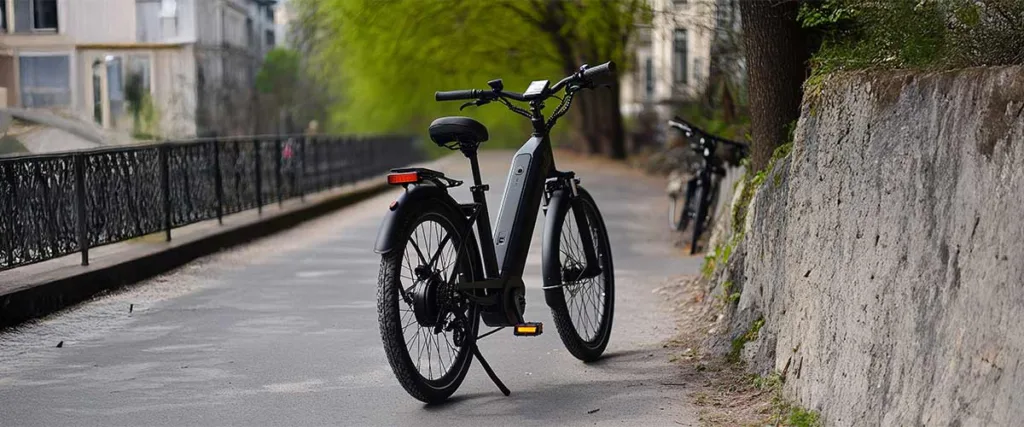
You lock your e-bike outside a café, order a coffee, and keep one eye on the window. You chose a good lock and picked a busy street with plenty of people. Still, that quiet worry is in the back of your mind. You paid good money for this bike, and it’s something you rely on. The issue is, you know, someone else might want it just as much. That feeling has become common as e-bikes move from a niche to the mainstream. Sales are growing year on year, but unfortunately, the theft follows close behind.
E-bikes have moved into the mainstream
E-bike sales have grown fast across the UK, the US, and Europe. Industry reports and market data agree on one thing: e-bikes now drive most of the bicycle market’s growth by value. Global e-bike sales exceeded $19 billion in 2022 and have since grown steadily at double-digit rates, according to Statista and industry analysts.
Europe leads the way with countries like Germany, the Netherlands, and Denmark that sell millions of e-bikes each year, helped by a strong cycling culture and government incentives. European industry groups estimate that e-bike sales across the EU will exceed 12 million units annually by the mid-2020s.
The US is catching up. Trade data shows that the US imported around 1.7 million e-bikes in 2024, a significant jump from the year before.
The UK started slowly, but momentum has picked up. While the UK still trails Europe on per-capita sales, major retailers reported impressive year-on-year growth in e-bike demand through 2024 and 2025.
Theft rose with demand
In the UK, reported e-bike theft more than doubled between 2022 and 2023, according to police crime data analysed by cycling groups. Thieves target e-bikes because they are more expensive and are easily resold on the black market.
In the US, researchers estimate that thieves steal more than 2 million bicycles each year, resulting in more than $1.4 billion in losses.
Europe shows the same pattern. In the Netherlands alone, estimates suggest tens of thousands of e-bikes go missing each year. German police reports show fewer total bike thefts than a decade ago, but the average value per stolen bike has almost doubled. Thieves now chase high-end electric models.
Traditional bike recovery rates sit around 10 to 15 percent. Once a bike disappears, it rarely comes back.
Why locks alone no longer solve the problem
Good locks still matter because they slow thieves down, but they do not help much once the bike has been stolen.
E-bike owners rely on D-locks and hope for the best. In our experience, the hope of getting it back vanishes after it’s been stolen. If someone loads your bike into a van, a lock tells you nothing about where it went.
That gap explains why riders now look beyond physical security.
How GPS tracking changes the odds
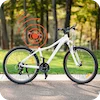
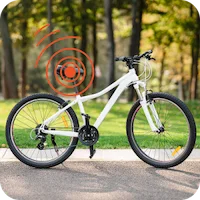
A GPS tracker lets you track the bike’s location after theft.
Studies and recovery programs in Europe show how much this matters. Services that track stolen e-bikes with GPS tracker report recovery rates near 70 to 75 percent. That number dwarfs traditional recovery figures.
Modern trackers offer simple benefits:
- Live location updates if the bike moves
- Alerts when someone tampers with the bike
- Location history that helps police act fast
Some newer e-bikes now include built-in tracking, alarms, or motor locks. Others rely on discreet add-on devices hidden in the frame.
None of this makes theft impossible, but it does make recovery realistic.
Why 2026 looks different
Manufacturers now treat smart security as standard rather than optional. European brands already ship many e-bikes with integrated GPS systems. US and UK brands follow the same path as customer expectations change.
Insurance companies have noticed as well. Insurers now offer lower premiums or better coverage for bikes with approved tracking systems, according to insurance industry reports.
The way forward
You do not need to panic or over-engineer your setup.
We see the biggest regret after theft, not before. Most owners say the same thing: they wish they had a tracker on their bike.
- Use a strong physical lock (A D-lock, over a chain)
- Park in visible, busy places
- Add tracking if the bike’s value justifies it






 DE
DE FR
FR ES
ES IT
IT PT
PT USA
USA AUS
AUS