GPS personal alarms help protect people living with dementia by sharing their real-time location and sending instant alerts if they wander or need help. This guide explains how these trackers work, what each subscription covers, and which affordable GPS solutions offer the best value for families in the UK. You will learn what features matter most for day-to-day safety and how to choose a device that feels simple and reliable. We also look at whether Apple AirTag devices suit dementia care or fall short compared to dedicated GPS trackers.
Caring for someone with dementia changes daily life in quiet but constant ways. You start thinking about open doors, busy streets, and how quickly someone can walk out of sight. Many families in the UK live with that worry every day. A GPS tracker gives you a simple way to check their location and act fast if something feels wrong. That small layer of reassurance can make the day feel calmer and help you focus on care instead of fear.
How Do GPS Personal Alarms for Seniors Work?
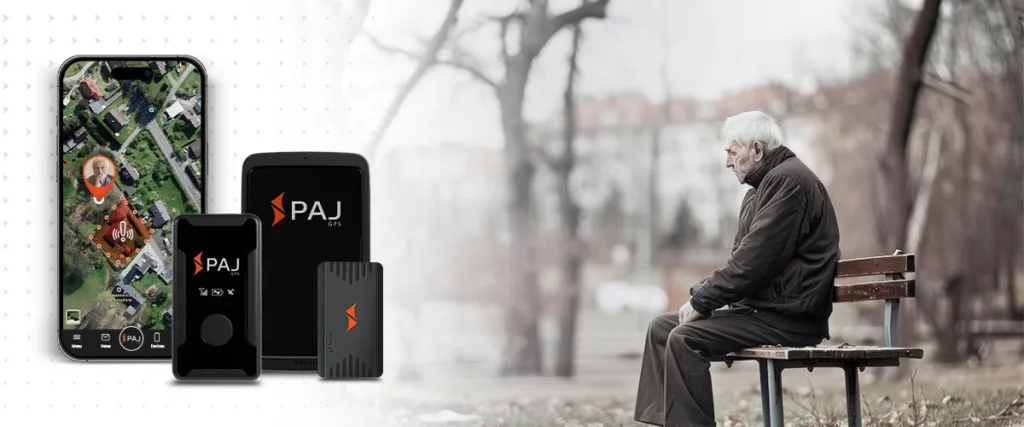
GPS personal alarms use satellite positioning and a built-in SIM card to track the wearer’s location and send it to a secure app or monitoring centre in real time. When the person moves, the device updates their position through the mobile network, so you can see exactly where they are and respond fast if something feels wrong.
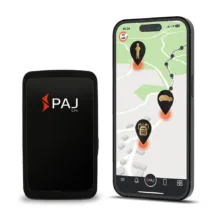
In everyday use, the system stays simple. The device communicates with satellites to determine its location, then sends that data via mobile coverage to your phone. You open an app and see a live map. If your loved one needs help, they press one button, and you get an alert straight away. I’ve seen how much relief that brings families. Instead of guessing or driving around the neighbourhood, you know where to go.
Most GPS personal alarms include:
- GPS satellite tracking that shows real-time location on a map
- Mobile data transmission through a SIM card for constant updates
- SOS button that sends instant alerts or calls a carer
- Geofencing that notifies you if someone leaves a safe area
- Two-way calling so you can speak to them directly
- Monitoring apps or centres that store history and manage alerts
Affordable GPS Tracking Solutions for Seniors with Dementia
Affordable GPS trackers for seniors with dementia usually cost between £60 and £200 to buy upfront. Most families choose a simple, mid-priced device that covers the basics without paying for features they will never use.
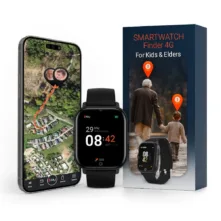
When you shop for a tracker, you are really choosing the hardware first. This is the physical watch or pendant your loved one wears every day. Comfort, battery life, and build quality matter more than fancy extras. A device that feels bulky or confusing often ends up in a drawer.
In our experience, the cheapest models often create more stress than savings. Weak batteries die halfway through the day. Apps lag. Buttons feel flimsy. You only notice these problems when you need the tracker most.
Common buying options in the UK include:
- Device price: roughly £60 to £200, depending on design and features
- Simple pendants or watches: lower cost and easy to wear
- Bundled plans: device included with a service package
Affordable should mean reliable and easy to use. A steady signal and clear alerts protect your loved one far more than the absolute lowest price tag
Subscription Costs for Elderly GPS Tracking Services
Most GPS trackers require a monthly subscription because they rely on mobile networks to send location data, alerts, and calls in real time. Without that ongoing connection, the tracker cannot share someone’s location or notify you when something goes wrong.
This fee covers more than just data. It powers the whole system behind the scenes. The app, alerts, maps, and support all run through that service. You are paying for the connection that keeps everything talking to each other.
Typical UK costs fall into a steady range:
- Around £3 to £20 per month
- SIM data for live tracking
- Secure app access
- Alert notifications and history logs
- Optional monitoring centre support
- Regular software updates
Some companies promote “no subscription” trackers. These usually depend on Bluetooth or crowd-sourced signals, which only work when other devices sit nearby. That approach may suit lost keys. It does not suit dementia care, which requires consistent, real-time coverage.
A small monthly fee may feel annoying at first. Still, steady service often brings more peace of mind than a one-off device that struggles to stay connected. When safety matters, reliability wins.















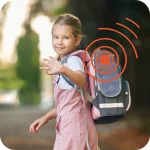
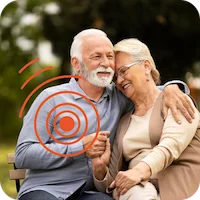
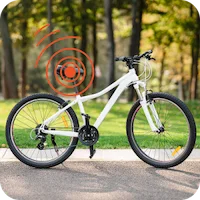
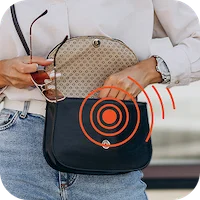
 Uses and Applications: Scooters, motorcycles, bicycles, beekeeping, horseback riding, children, elderly individuals, containers, wood transport, garden tools, instruments, and luggage.
 Battery: Up to 20 days of continuous operation and up to 60 days in standby mode.
 Coverage: More than 100 countries with 4G technology.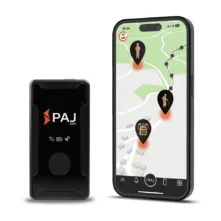








 DE
DE FR
FR ES
ES IT
IT PT
PT USA
USA AUS
AUS