
















Is Your Old Tracker a Brick? Why 4G Is Non-Negotiable in 2026
Jan
You open the app the same way you always do, expecting to see a familiar dot sitting right where it should be. Instead, the screen shows a message that makes you pause (the last update was three days ago).
At first, you assume it’s nothing serious, as apps can lag, or the signal can be patchy. You refresh the screen and wait for it to catch up, but the map is empty. Confusion turns into frustration, and frustration turns into concern. We have watched people go through this exact moment, and the cause almost always surprises them. The device still works, and the battery still has life. What disappeared was not the tracker itself, but the network it depended on.
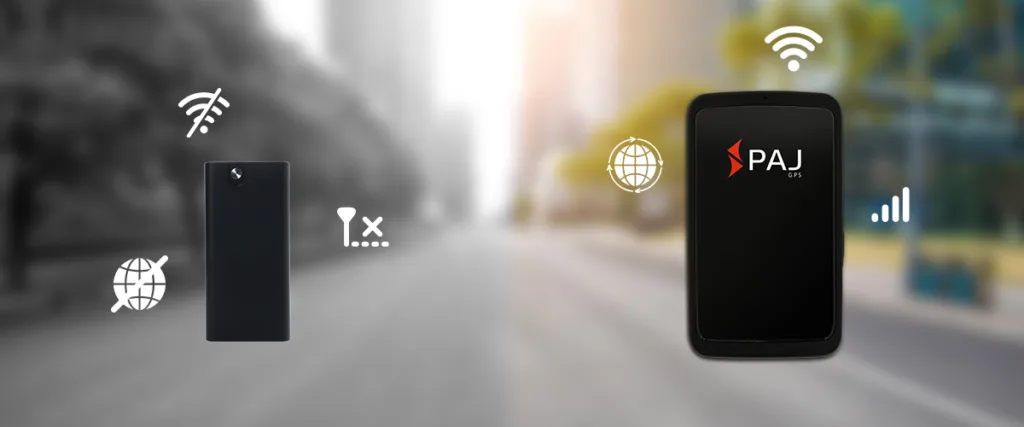
What’s actually happening to 2G and 3G networks
Mobile networks retire old technology the same way cities replace ageing roads. Network operators now reuse 2G and 3G frequencies to support newer services, including 4G and 5G. This change has already happened in many countries, and more shutdowns follow each year.
In our experience, the confusion comes from timing. Each country sets its own schedule, which makes the change feel uneven. The direction, though, stays the same everywhere.
When a network shuts down:
- The carrier stops supporting the signal
- Devices can no longer send or receive data
- Power stays on, but communication stops
Why this matters for GPS trackers
A GPS tracker does more than listen to satellites. It needs a mobile network to send location data back to your app. When that connection disappears, the tracking stops, and the tracker becomes redundant without you knowing.
What happens during a 2G or 3G shutdown
In our experience, this silence causes the most damage. You do not get an error message; the tracker just fades out of view.
When a network switches off support, the effects are serious:
- Location updates stop without warning
- Alerts never reach your phone
- Location history freezes in place
The detail that many people miss
GPS satellites continue to do their job. They still calculate position. The problem sits elsewhere. Without a supported mobile network, that data never reaches you. Power stays on, but the tracking doesn’t work.
Why 4G changes everything
4G does not fix tracking by adding anything extra. It fixes it by staying connected when older networks drop away.
4G networks offers advantages
- Broader coverage across towns and rural areas
- Faster data transfer, making tracking the location faster
- Stronger roaming support when you cross borders
- Long-term carrier backing
Mobile operators build their future plans around 4G. They support it for years, not months. That planning gives 4G trackers something older devices lack, which is stability.
We see the biggest benefit when people travel or move assets between regions. A 4G tracker keeps sending data without gaps or silent dropouts. That continuity builds trust.
What happens in 2026
When people talk about future-proof tracking, they often mean coverage. That idea misses the point. Coverage today does not promise support tomorrow.
In practical terms, future-proof means:
- Active network support
- Compatibility with modern SIM infrastructure
- Reliable roaming without signal handoffs or dropouts
In our experience, peace of mind comes from knowing the network will still be there next year and the year after. A tracker that depends on ageing technology may look fine on a coverage map, but it can still fail without warning.
Takeaways for tracker owners
Take a moment to check what your tracker actually relies on and which mobile network supports it. Carrier shutdown timelines matter more than many people realise, so it pays to confirm them early. We always recommend planning an upgrade before anything fails, not after. Tracking only works when the signal stays alive.











 DE
DE FR
FR ES
ES IT
IT PT
PT USA
USA AUS
AUS