
















How to Tell If Your Car Has Been Cloned
Mar
Car cloning is when criminals copy your vehicle’s number plate and attach it to a stolen or unroadworthy car. You will most likely not know it has happened until unexpected fines, speeding notices, or even a police visit land at your door. The warning signs include fines from places you’ve never visited, a sudden spike in insurance costs, and letters about offences your car did not commit. Acting quickly — reporting to the police (101) and the DVLA — is essential, and a GPS tracker can provide irrefutable proof of your car’s real location.
Table of Contents
What Exactly Is Car Cloning?
Imagine waking up to a speeding fine for a road you’ve never driven on, or worse, a knock at the door from the police about a crime you know nothing about. For thousands of UK drivers, this is not a hypothetical — it is the reality of having their car cloned.
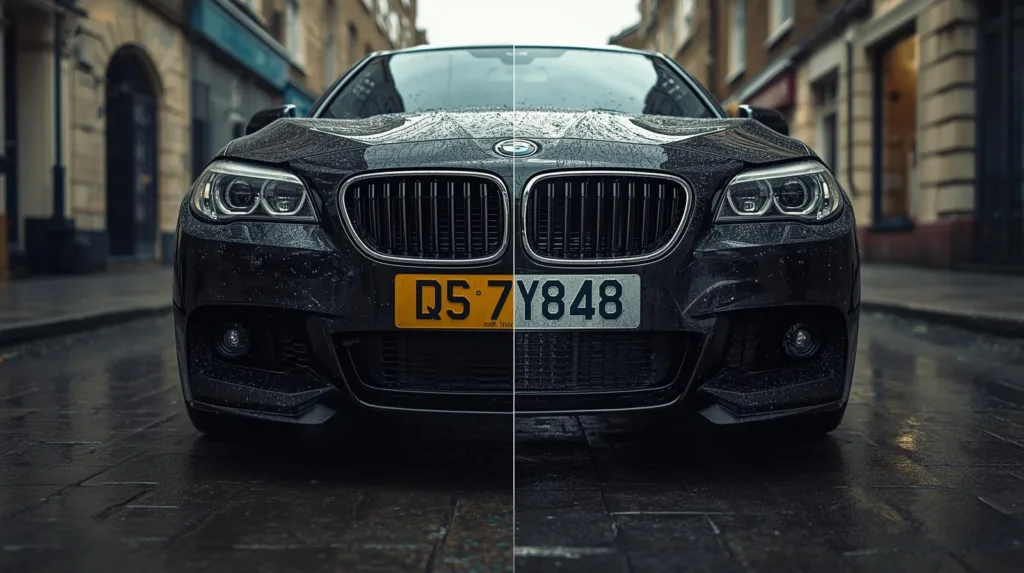
Car cloning — also called number plate cloning or vehicle identity theft — is when criminals duplicate the registration plate of a legitimate vehicle and attach it to a different car, usually one that is stolen, written-off, or otherwise illegal to drive on UK roads. Once done, the two vehicles effectively share the same identity, and any crimes or fines committed by the criminal’s car are traced straight back to you, the innocent owner.
It is a growing problem. According to data reported by heycar, London alone saw an 857% rise in penalty charge notices being cancelled because the vehicle was confirmed as a clone. And as Fleet News reported in October 2025, an All-Party Parliamentary Group found that plate-cloning cases in the capital surged by 64% in just three years, with as many as one-in-15 vehicles potentially carrying non-compliant or manipulated plates.
How Does Car Cloning Actually Work?
It is simpler than most people think, and that is exactly what makes it so alarming. Here is how a typical cloning operation unfolds:
- A criminal steals a car (or acquires a written-off one cheaply).
- They search online — car sales websites, social media, Google Images — for a matching vehicle of the same make, model, colour, and year.
- They obtain duplicate number plates. These can sometimes still be ordered online from unregulated suppliers with little or no identity checks.
- The fake plates go on the criminal’s car. Now both vehicles share the same registration.
- The cloned car is used to commit offences, run up fines, evade ULEZ and congestion charges, or even get sold to an unsuspecting buyer.
As UK DPF Cleaning reported, some police forces estimate that at least 20% of vehicles on the road are being driven with cloned number plates — a figure that is genuinely shocking. Nationally, around 13,000 cases of registration plate duplication are now reported in England and Wales every year, more than triple the number reported in 2018.
Warning Signs That Your Car May Have Been Cloned
The tricky part is that most victims have absolutely no idea their car has been cloned until something lands in their letterbox or on their doorstep. Here are the most common red flags to watch out for:
You Receive Fines for Places You’ve Never Been
This is the most common first sign. According to Avon and Somerset Police, victims typically start receiving unexpected penalty charge notices (PCNs) for speeding, bus lane violations, parking offences, or congestion charges in locations they have never visited. If a fine arrives from London and you live in Leeds and have not been near the capital, take it seriously.
You Get a Notice of Intended Prosecution (NIP)
A NIP is a more serious document — it means the police intend to prosecute for a motoring offence. If you receive one for speeding, running a red light, or failing to stop, and you were nowhere near the location at the time, this is a strong indicator that your plates have been cloned.
Police Turn Up at Your Door
This is where it can become genuinely frightening. Because ANPR cameras read your plate, if the cloned car is involved in a serious crime — robbery, driving away from a petrol station without paying, or evading police — officers may arrive at your address believing you are responsible.
Your Car Insurance Quote Suddenly Spikes
If a cloned vehicle using your plates is involved in an accident or claim, it can affect your insurance record without you knowing. A sudden, unexplained jump in your renewal quote could be a sign something is wrong.
Letters About a Car You Do Not Own
Some fraudsters use cloned registrations to apply for credit, arrange MOTs, or even sell the vehicle. If you start receiving letters about a car purchase, loan, or MOT you know nothing about, flag it immediately.
Real Story
One London driver received six separate penalty charge notices totalling up to £1,070 — all for offences he did not commit. The appeals process took months, required police crime reference numbers that authorities struggled to provide, and still did not guarantee the fines would be cancelled. (Source: heycar)
What to Do If You Think Your Car Has Been Cloned
Act fast. The sooner you report it, the sooner you can protect yourself from further liability.
Step 1 — Call the Police (Non-Emergency: 101)
Report the issue, provide your registration number, vehicle details, and explain why you believe your plates have been cloned. Ask for a crime reference number — you will need this for the next steps.
Step 2 — Contact the DVLA
Let the DVLA know your vehicle’s identity may have been compromised. They can add a note to your vehicle’s record and potentially flag it on the Police National Computer. This helps prevent future ANPR-triggered stops from catching you off guard.
Step 3 — Challenge Any Fines or PCNs
Return any fines to the issuing authority with a written explanation and your crime reference number. Ask for the photographic evidence from the alleged offence — in many cases, you can clearly see the car in the photo is not yours (different colour, different wheels, different stickers). As Regit advises, if problems persist, you can contact the DVLA about the possibility of being issued a new registration number entirely.
Step 4 — Notify Your Insurer
Tell your insurance company what has happened. This protects your record if the cloned vehicle is later involved in an accident or claim.
How to Protect Yourself from Plate Cloning
Prevention is always better than a months-long appeal process. Here are some practical steps every UK driver can take:
- Never post photos of your car online that clearly show the full number plate. Blur or obscure it in social media posts and car sale listings.
- Use anti-theft number plate screws (often available free from local police stations). These make it significantly harder for someone to physically steal your plates.
- Park in well-lit, busy areas where possible. Criminals are less likely to target plates where they might be seen.
- Do a free DVLA vehicle check periodically at gov.uk/check-vehicle-information to ensure your car’s details have not been tampered with.
- Consider a dashcam — footage can be invaluable evidence if you need to prove your car was not at a location when an offence occurred.
How a GPS Tracker Can Be Your Best Alibi
Here is where technology gives innocent drivers a genuine advantage. If your car’s plates have been cloned and the cloned vehicle commits an offence, one of the biggest challenges you will face is proving your car simply was not there.
A GPS tracker solves this problem entirely.
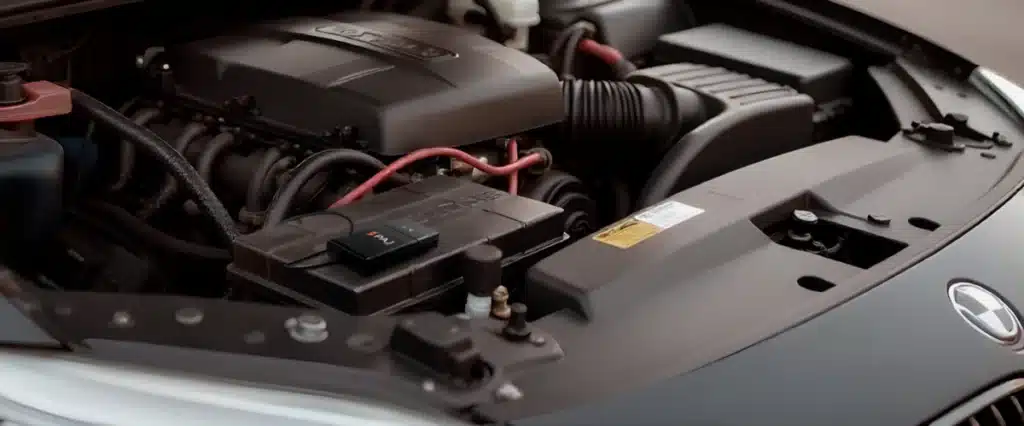
With a quality GPS tracker installed in your vehicle, you have a continuous, timestamped record of exactly where your car has been — and where it has not been. If a speeding fine arrives saying your car was caught doing 90mph on the M25 at 11pm on a Tuesday, and your GPS data shows your car was parked on your driveway all night, you have irrefutable, court-admissible evidence.
Beyond cloning, a GPS tracker also helps if your actual car is stolen. Real-time location updates mean you — and the police — can track the vehicle’s movements immediately, dramatically increasing the chances of recovery.
What a PAJ GPS Gives You
-
 Real-time location tracking
know exactly where your car is at any moment
- Location history
a complete record of every journey, timestamped
- Geofencing alerts
get notified if your car leaves a defined area
- Tamper alerts
know immediately if someone is interfering with your vehicle
- Evidence for appeals
location data can be used to dispute false fines

Buying a Used Car? Watch Out for the Cloned Car Scam
Car cloning does not only affect existing owners. It is also used to sell stolen or written-off vehicles to unsuspecting buyers. The criminal takes a stolen car, gives it the identity of a legitimate vehicle with a clean history, and lists it for sale — often at a suspiciously attractive price.
To protect yourself when buying used, always: run a free online vehicle check (sites like CarVeto or Free Car Check are good starting points); check the VIN on the car matches the V5C logbook exactly; check the VIN in multiple locations (base of windscreen, driver’s door sill, engine bay); and be very cautious of deals that seem too good to be true.
If the seller is pushing for a cash-only deal, will not let you inspect the vehicle thoroughly, or the VIN has any signs of tampering, walk away and contact the police.
Quick Summary
Car cloning is not a rare, abstract crime. It is on the rise across the UK, it can happen to anyone, and the consequences for innocent owners — fines, police visits, appeals lasting months — can be genuinely distressing.
Knowing the warning signs (unexpected fines, NIPs from unfamiliar locations, a spike in insurance costs) means you can act quickly. Reporting promptly to the police and DVLA is critical. And for the best ongoing protection, a GPS tracker gives you something no number plate screw or dashcam can: a watertight, continuous record of exactly where your car has been.
It is, quite simply, the best alibi your car can have.











 DE
DE FR
FR ES
ES IT
IT PT
PT USA
USA AUS
AUS