















Hardwired vs. OBD vs. Magnetic: Choosing the Right Car Tracker for Your UK Lifestyle
Dec
One of our customers, Sarah, told us a story about what happened to her car. She parked her car at a retail park on a quiet Sunday morning. She nipped inside for a few minutes and came back out expecting to load her shopping. Instead, she found herself in a space where her car should have been. She said it felt like the ground had dropped out from under her feet. She looked around, walked in circles, and kept thinking that her car would suddenly appear.
She checked her phone even though she knew she hadn’t fitted a tracker. She searched the car park again because she needed something to latch onto, but there was nothing to follow and nowhere to start.
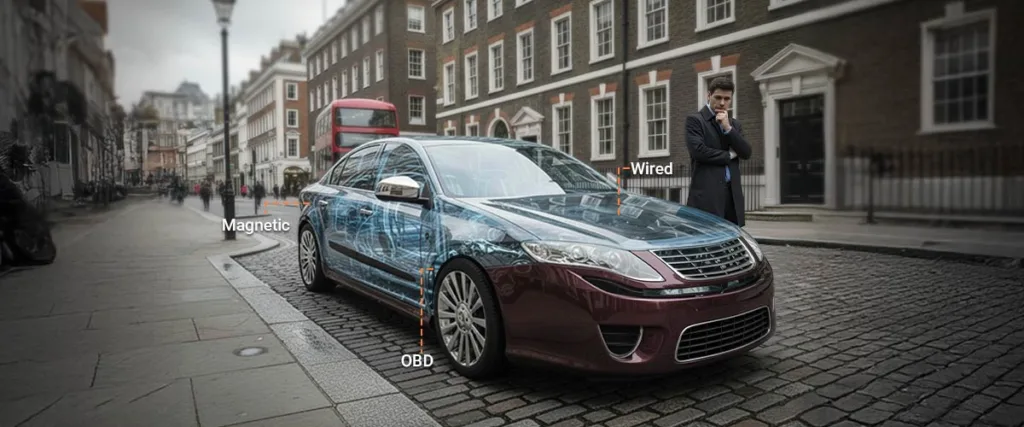
We hear stories like hers quite a lot, and each one reminds us why the type of tracker you choose matters. Hardwired, OBD, or magnetic? Each one fits a different kind of driver and a different kind of life.
Why Connection Type Matters More Than People Think
Drivers buy a GPS tracker without thinking about how it connects to the car. Focusing on the app or the price, then feel let down when the tracker doesn’t suit the way they drive or store their vehicle. Hardwired units work well for anyone who wants a hidden, permanent setup. OBD trackers suit drivers who prefer something simple and tool-free. Magnetic trackers help people who switch between cars or need short-term protection.
When you match the connection type to your lifestyle, the tracker becomes far more reliable.
The following sections break down what each option offers and who it suits.
Hardwired Trackers – Permanent and Hidden
A hardwired tracker is usually buried inside your vehicle, behind the dashboard, or connected directly to the battery. Thieves will really see it even when they search the obvious places. Drivers like that sense of quiet protection, because it means the tracker stays ready every time you start the engine.
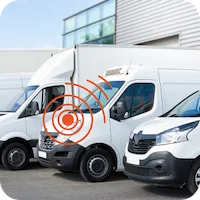
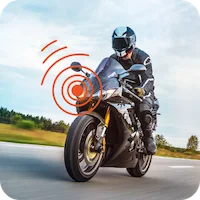
Hardwired units suit people who need steady, long-term security. Perfect for daily commuters, high-value cars, tools-on-board vans, motorbikes, and fleets. The constant power supply removes the stress of charging or checking battery levels. You can fit it once, and almost forget about it.
We heard from a tradesman who recovered his van because of a hardwired tracker. Thieves tried to block the OBD port and pull visible wiring, but the tracker stayed alive behind the dash. It kept sending location updates until the police reached the van. His tools and client paperwork were still inside. He said the tracker paid for itself in one day.
Why drivers choose hardwired trackers
- Hidden placement makes them hard to remove
- Continuous power for long-term use
- Works even if thieves unplug the OBD port
- Ideal for vans, fleets, motorbikes, and high-value cars
OBD Trackers – Plug In and Go
An OBD tracker sits in the vehicle’s diagnostic port under the dash. You push it in, and it comes to life within seconds. We’ve had drivers tell us they felt more relaxed the moment the tracker clicked into place, especially before a long motorway trip or when leaving the car in an unfamiliar place. Just plug in and go.
OBD trackers suit people who change cars often or share vehicles with family. Company car drivers use them because they can remove the tracker when the contract ends. They help with lease cars too, and anyone who wants tracking without lifting the bonnet.
They do have limits. Thieves can unplug them if they find the port, and some cars hide the port in awkward places.
Even with those limits, the ease of use makes OBD trackers a favourite for everyday drivers. They offer instant peace of mind with almost no effort, and that matters when you want protection without the hassle of a full install.
Why OBD trackers appeal to many drivers
- Quick installation
- Powered by the car, so no charging
- Can monitor driving behaviour, mileage, and some fault codes
Magnetic Trackers – Perfect for Short-Term Use
A magnetic tracker gives you freedom that other trackers can’t. It’s a small, battery-powered device with a strong magnet that you place under the car or somewhere hidden in the boot. It starts working the moment you switch it on. Drivers who need fast, flexible tracking often choose this type because it’s just so easy.
We spoke to a parent who used one when their teenager started driving. They wanted to trust them, but they also wanted peace of mind on those first late-night trips. The magnetic tracker helped them see that the car reached home safely each time. They said it eased the nerves without interfering with their child’s independence.
Magnetic trackers are perfect for temporary or shared setups. People use them for car sharing, for holiday protection, or when moving between vehicles during a busy week.
They do have limits. They need charging, and poorly made magnets can loosen on rough roads. Don’t think of them as a long-term, permanent security.
Why magnetic trackers help in flexible situations
- No installation
- Simple to move between cars
- Easy to hide in different areas of the car
Which Tracker is Right For You?
The best tracker is the one that fits your driving style. Think about your routine and the places you leave your car.
Choose a Hardwired tracker if:
- You commute daily
- You drive a van with tools
- You want strong, hidden protection
Choose an OBD tracker if:
- You change cars often
- You drive a lease or company vehicle
- You want instant setup
Choose a Magnetic tracker if:
- You need short-term protection
- You share cars
- You want zero installation










 DE
DE FR
FR ES
ES IT
IT PT
PT USA
USA AUS
AUS